
Achieve Cradle-to-Cradle Fashion Certification standards. Learn practical steps, material selection, and industry impact for circularity. Gain expertise for sustainable fashion.
Implementing truly circular practices in fashion demands a rigorous approach, moving beyond mere “green” claims to verified material and product systems. From years spent working with textile innovators and manufacturers, it is clear that genuine change comes from deep engagement with supply chains and a commitment to measurable standards. The Cradle-to-Cradle Fashion Certification framework provides a robust blueprint for brands aiming to make this critical shift towards regenerative design.
Overview:
- The Cradle-to-Cradle Fashion Certification program offers a multi-attribute standard for product circularity.
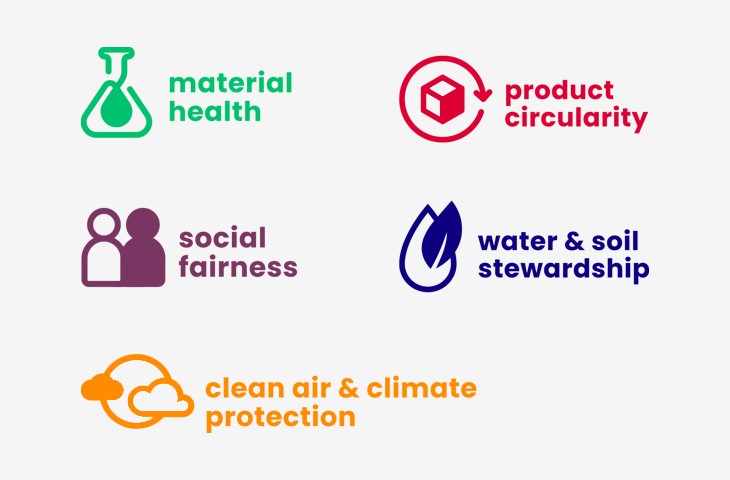
- It assesses products across five key categories: Material Health, Material Reutilization, Renewable Energy & Carbon Management, Water Stewardship, and Social Fairness.
- Achieving certification requires a thorough understanding of chemical inputs and their potential impact throughout a product’s lifecycle.
- Brands must demonstrate efforts in sourcing materials that can be safely cycled, either biologically or technically.
- Certification involves third-party verification, detailed documentation, and a commitment to continuous improvement.
- This standard promotes not just environmental benefits but also positive social and ethical practices within the fashion supply chain.
- The framework is applicable globally, influencing standards for sustainable product development in the US and beyond.
The Core Principles of Cradle-to-Cradle Fashion Certification
The foundation of Cradle-to-Cradle Fashion Certification rests on five interconnected quality categories. Material Health evaluates the chemical safety of all ingredients used. Products must be made from materials safe for humans and the environment. This means scrutinizing dyes, finishes, and fibers. Material Reutilization focuses on designing products for cycles. Can components be composted or recycled? This requires clear end-of-life strategies. Renewable Energy & Carbon Management assesses energy use in manufacturing. Brands must demonstrate progress towards using clean power sources. Water Stewardship looks at water usage and discharge quality. Ethical water management is crucial, especially in water-stressed regions. Finally, Social Fairness ensures fair labor practices and ethical operations. This covers worker rights, safety, and community impact. Meeting these principles drives systemic change.
Practical Steps for Sustainable Material Sourcing
Material sourcing is a critical juncture for any fashion brand pursuing true sustainability. The journey begins with a complete inventory of all inputs. Every fiber, button, zipper, and thread must be identified. Next, research material health. Engage with suppliers to understand their chemical profiles. Ask for declarations of content. Prioritize materials with known low-hazard chemistries. Certifications like GOTS or bluesign can be a starting point, but deeper scrutiny is often needed for Cradle to Cradle. Consider the end-of-life of each material. Is it biodegradable? Is it recyclable? Design decisions at this stage directly impact circularity. For instance, selecting mono-material designs simplifies recycling processes. Working closely with dyehouses to verify effluent treatment and water conservation measures is also essential. This proactive engagement builds a more resilient and responsible supply chain.
Verifying Compliance in Cradle-to-Cradle Fashion Certification
Achieving Cradle-to-Cradle Fashion Certification involves a rigorous verification process. Brands must partner with an accredited assessment body. This third-party expert guides the brand through data collection and documentation. Every material, component, and process step undergoes scrutiny. Information on chemical composition, energy consumption, and water use is collected. Social fairness claims are also audited. The assessment body compiles a detailed report. This report is then submitted to the Cradle to Cradle Products Innovation Institute. They review the assessment against the certification standards. If all requirements are met, certification is granted. This isn’t a one-time event; certification levels (Basic to Platinum) require continuous improvement. Brands must recertify every two years. This ensures ongoing commitment to the principles and pushes for higher environmental and social performance.
The Impact of Cradle-to-Cradle Fashion Certification on Industry Practices
The adoption of Cradle-to-Cradle Fashion Certification signals a paradigm shift within the industry. Brands achieving this standard often gain a competitive edge. It communicates a deep commitment to environmental and social responsibility. This resonates with increasingly conscious consumers. Furthermore, the process often fosters innovation within product development teams. Designers are challenged to rethink material choices and product lifecycles. This leads to the creation of novel textiles and manufacturing techniques. The standard also encourages greater transparency across the supply chain. Manufacturers become more accountable for their processes and inputs. Over time, this collective effort can drive systemic changes, pushing for cleaner production and more circular business models. It establishes a benchmark for what truly sustainable fashion can achieve, setting a higher bar for the entire sector.
About the Author


