,regionOfInterest=(800,523.5)&hash=458994dd096d13e3859d4c4dffc1b3820ede327ba62c8f27bb0225e465b6fee8 "Tire Pressure Monitoring System Expert Safety Guide")
Ensuring road safety starts with your tires. This expert guide details Reifendruck Kontrollsystem (TPMS) function, maintenance, and critical safety benefits for drivers.
Proper tire pressure is not merely about fuel economy; it is a critical component of vehicle safety and performance. As someone who has spent years working with automotive systems, I’ve seen firsthand the difference a properly functioning Reifendruck Kontrollsystem (TPMS) makes. This system acts as a constant guardian, monitoring tire health and alerting drivers to potential issues before they become hazards. Ignoring low tire pressure is a common, yet dangerous, oversight.
Overview
- The Reifendruck Kontrollsystem (TPMS) is a vital safety feature for all modern vehicles.
- It continuously monitors tire pressure, alerting drivers to underinflation or overinflation.
- Timely alerts from the system help prevent accidents caused by tire failure.
- Regular maintenance, including sensor battery checks, is crucial for its reliability.
- Drivers must understand how the system works and how to respond to its warnings.
- TPMS contributes significantly to safer driving, better fuel efficiency, and extended tire life.
Understanding the Reifendruck Kontrollsystem: Operation and Importance
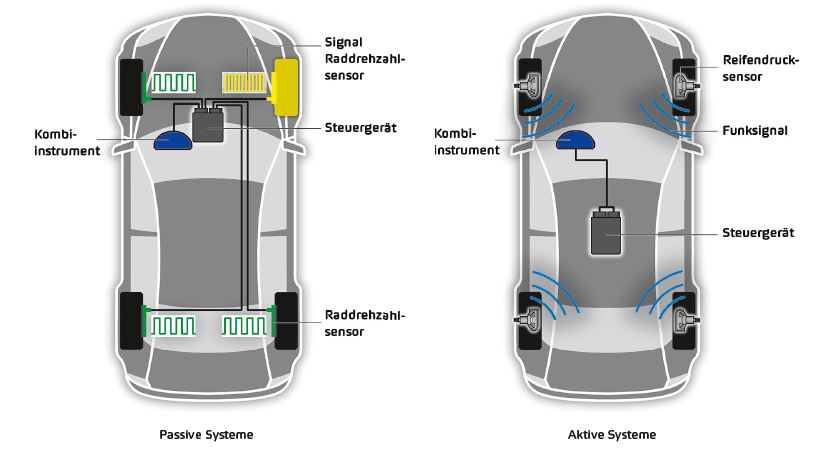
The Reifendruck Kontrollsystem, known as TPMS, is mandated in many regions, including the US, due to its profound impact on road safety. This system comes in two main types: direct and indirect. Direct TPMS uses individual pressure sensors inside each tire, sending real-time data wirelessly to your vehicle’s computer. When pressure drops below a pre-set threshold, an alert appears on your dashboard, often showing the exact tire affected. This immediate, precise feedback is incredibly valuable.
Indirect TPMS, on the other hand, utilizes your vehicle’s anti-lock braking system (ABS) wheel speed sensors. It detects a low tire by identifying a difference in rotational speed compared to the other tires. A slightly deflated tire has a smaller rolling radius and thus spins faster. While less precise, indirect systems also fulfill the safety requirement. Both types aim to prevent the dangers associated with underinflated tires, such as reduced handling, increased braking distances, and tire blowouts. From my experience, knowing which tire is low with a direct system gives drivers a clear action plan.
Proactive Tire Care: Beyond TPMS Alerts
While a Reifendruck Kontrollsystem provides an excellent safety net, it should not replace manual tire checks. Relying solely on the system can lead to complacency. I always recommend drivers manually check their tire pressure with a reliable gauge at least once a month. This practice helps catch slow leaks or calibration issues that the TPMS might miss, or detect them before they trigger an alert.
Inspecting your tires visually for wear, damage, or embedded objects is equally important. Look for uneven tread wear, cracks in the sidewalls, or bulges. These issues require immediate attention, regardless of what your TPMS indicates. Seasonal temperature changes significantly affect tire pressure, so adjusting pressure accordingly is a smart habit. Proper tire care extends tire life, improves vehicle handling, and ultimately, keeps you safer on the road. Remember, the system is a monitor, not a replacement for good tire husbandry.
Maintaining Your Reifendruck Kontrollsystem: Lifespan and Replacement
Like any electronic component, the Reifendruck Kontrollsystem requires periodic attention. Direct TPMS sensors are typically powered by small batteries, which generally last between 5 to 10 years. Once these batteries die, the sensor stops transmitting data, resulting in a dashboard warning light. This often appears as a flashing TPMS light before staying solid. Replacing these sensors involves removing the tire from the wheel, fitting a new sensor, and then recalibrating the system. This task is best handled by automotive professionals who have the specialized tools and expertise.
Ignoring a faulty sensor compromises your vehicle’s safety integrity. When you replace tires, it’s a good practice to have your TPMS sensors inspected or replaced if they are nearing the end of their battery life. Sometimes, even after a simple tire rotation or repair, the system may need to be reset or re-learned by the vehicle’s computer. This ensures accurate readings and continuous protection. Investing in proper TPMS maintenance guarantees the system remains an effective safety feature throughout your vehicle’s lifespan.
Real-World Safety Impact of Reifendruck Kontrollsystem
The practical benefits of a functional Reifendruck Kontrollsystem are undeniable. I’ve witnessed countless scenarios where these systems prevented potential accidents. A quick alert can mean the difference between correcting a low tire in a safe location and experiencing a high-speed blowout on a busy highway. It significantly reduces the risk of hydroplaning in wet conditions, improves steering response, and shortens braking distances. These are all critical factors in accident prevention.
Furthermore, correct tire pressure means your tires wear more evenly, saving you money on premature replacements. It also optimizes fuel efficiency, which is a tangible benefit for any driver. The implementation of TPMS in the US and other regions has demonstrably improved overall road safety statistics. As drivers, our responsibility is to understand the alerts and take immediate action. A solid TPMS light means check your tires now. A flashing light often indicates a system malfunction, which also needs prompt professional inspection.
About the Author


